
There’s some esoteric ideas and jazz about signs and symbols, one of which is a keyhole and doorways.
In the study of neuro-architecture,
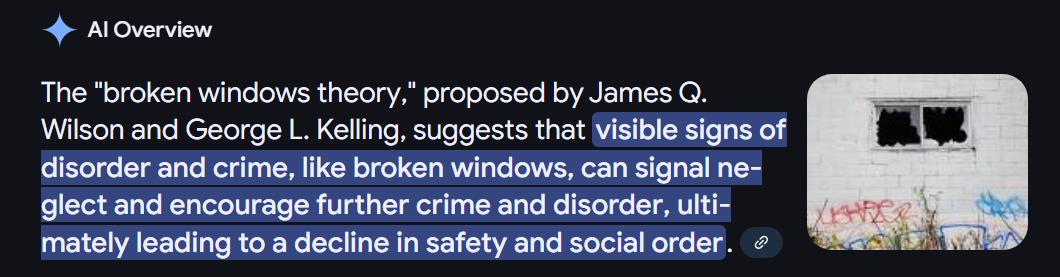
-people study how architecture affects neurology and memory and consciousness. How inspiring and grandiose places impact with a sense of awe, as well as how broken windows effect our subconscious mind in terms of value and security.
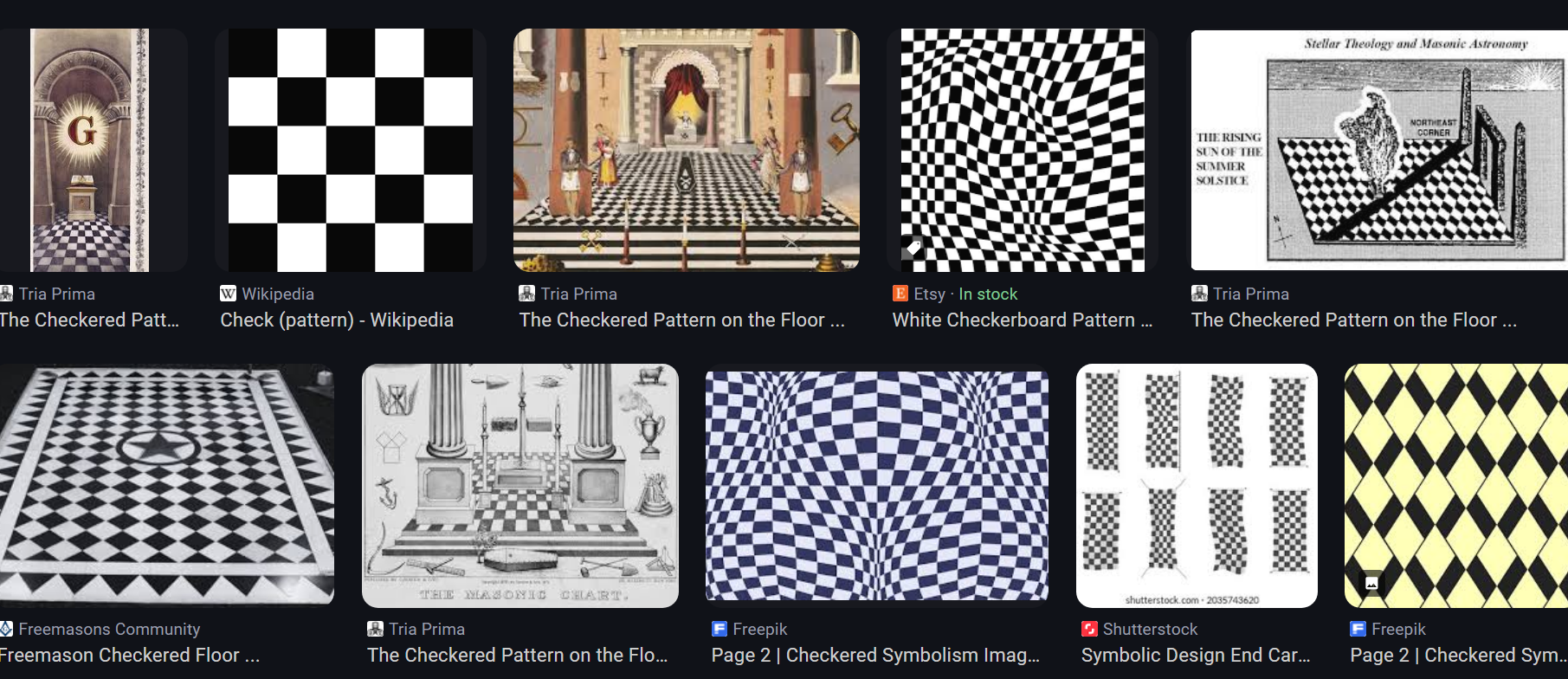
If you really want some conspiracy theory juice, consider looking into the meaning and purpose behind floorboards.
There is an undoubtable and undeniable connection between how things are built, to the form, to the symbolism, and how all of that connects to our own psyche or psychology.
The questionable part, is to imply the cause of one shape or form to the effect of another. That is the realm of skepticism. To imply that one thing is statistically or undoubtably the culprit for another, is room for exploration. It’s unchartered or not very treaded path of theory.
Chasing this realm of skepticism,
There are some people that pose that rectangular doorways alter memory and perception.
The “Doorway Effect. in which people forget things after entering doorways. The leading theory is that the brain categorizes and segments memory based on rooms. Consider it like entering a loading screen in a video game.
The smaller, considerably speculative, theory is that the doorway effect happens due to the shape of the door. Posing that rectangular doors are the culprit, with some ideas that the frequency and flow of the room is ‘stuck’ to the angular parts of the door. That energy and memory gets ‘trapped’ by the 90 degree angles of the top of the doors.

As opposed to arched doorways. Doorways with arches are, in this theory, designed to help head space and not segment or separate rooms by sharp lines of distinction.
In Esoteric reason
People note that checkered board patterns of alternating design help retain memory and learning. It allows the duality of ideas to flow in a pattern that is fair and contentious. This adds a deeper depth to chess beyond the rules of the game and strategy. (I’m mentioning this because it’s relatable to how people view design and subconsciousness)
People also note that a Key and a keyhole are symbolic metaphors for all sorts of things. I won’t go deeply into it, because I’m just merely painting a simple picture, but you’re free to explore this symbolism.
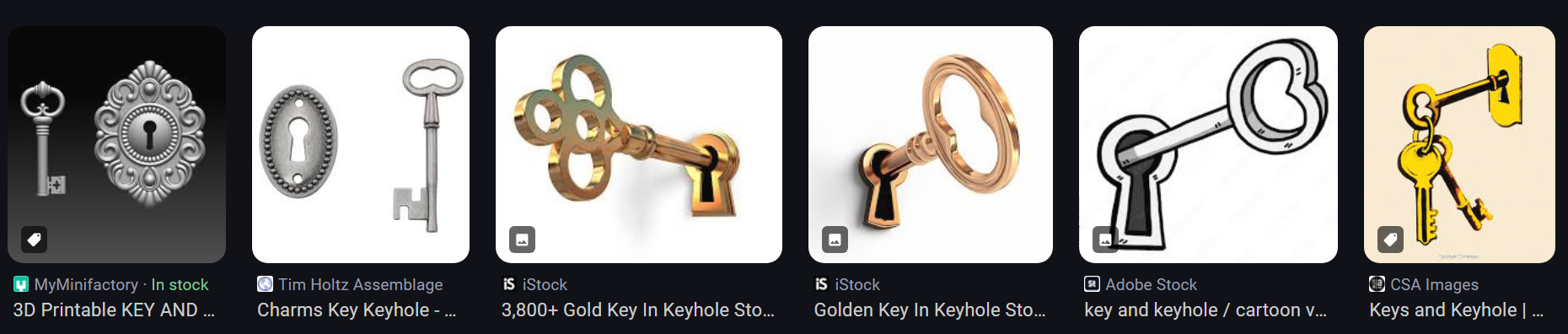
I’m here to state that keyhole doorways are a unique blend of the symbology of the lock and key as well as the neuro-architecture.
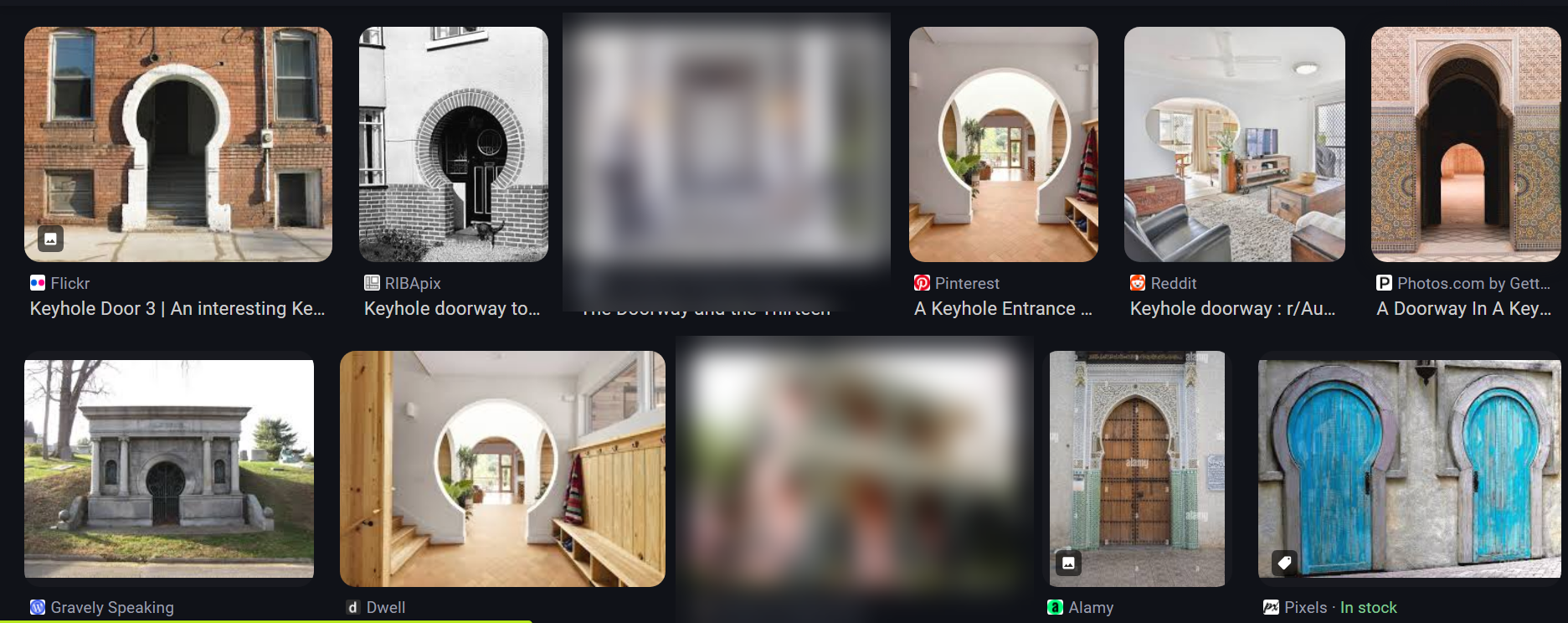
It’s also worth noting that there are eastern influences;
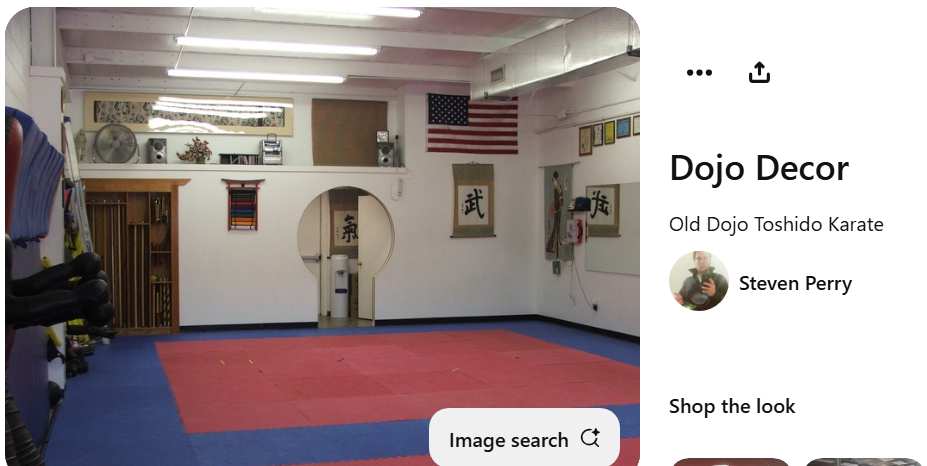
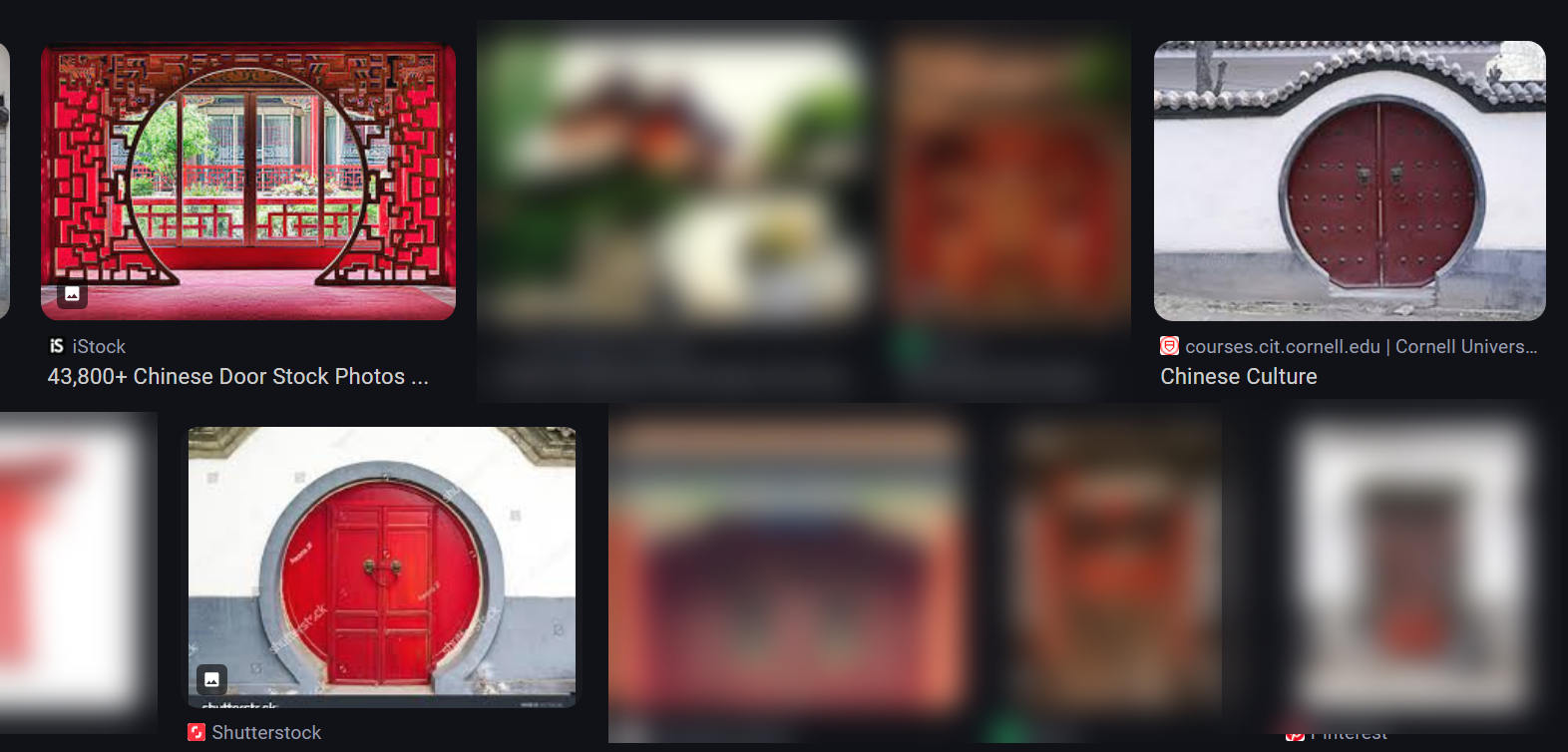
In Chinese Symbolism, they consider these doors to be ‘moon doors’ with specific esoteric principles and feng shui. To represent a moon or sun or circle rather than that of a key.
I mean, do you think it’s just an aesthetic design to go through more work (and money) to raise the level of the wall to befit the door? Maybe.
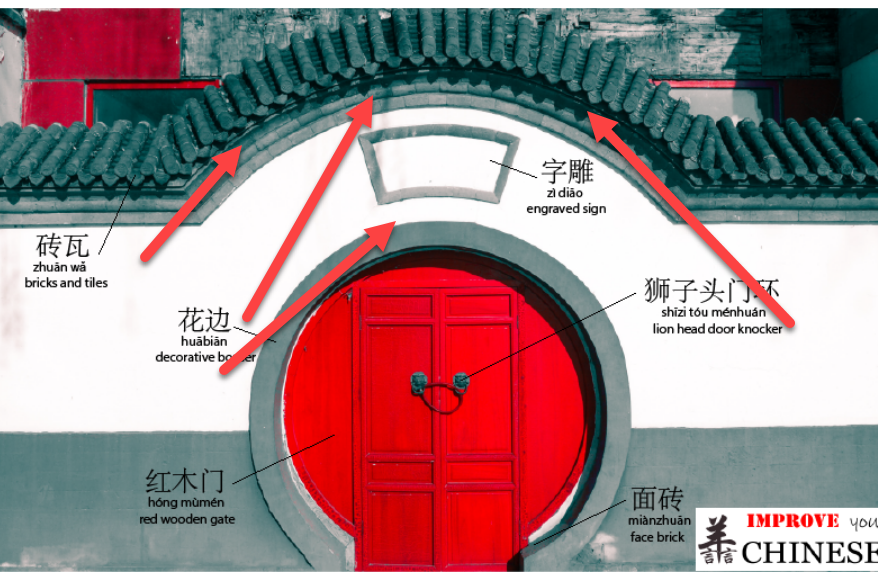
Do you think it’s simply an ‘aesthetic’ choice for those doors to be shaped that way if it’s for a temple?

I doubt it.
Perhaps
I may be grasping at straws, but consider that if we were in a more traditional and conservative model where rule based systems are enforced and the idea of individuality and freedom of thought is ‘modern’ Post John Lockean type rationality (very post Septivium liberation colleges). Then consider that the buildings and symbols are designed in a peculiar way to ‘mean’ something.
If you look at any old painting, you’d think that each specific item inside the picture was intentionally placed. They had to deliberately grind up flowers and rocks to make color to then put things in their painting. The idea of a Bob Ross placing ‘happy accidents’ for commissioned works to nobility is unlikely. As such, if a painter goes through great lengths for painted works, wouldn’t a mason or an architect also go through similar journeys to make a deliberate piece of work?
I pose that Words Mean Things, and as such, the signs and symbols themselves have meaning.
To counter my theory, they could have built larger doorways in circular fashion to fit odd items (like carts and bulky things) and afford a level of defense. But also, they could have just built bigger doors.
They could have also built arched doors instead of having the lower ends curve inward like a keyhole.
It seems odd, don’t you think?
Again, perhaps I’m reading too deeply into something that may or may not be there.
But undoubtably, the doors that look like keyholes resemble keyholes. Duh. Therefore the meaning extrapolated from the signs and symbols are real, regardless if that was the architects design or intention.
And I doubt they were just willy nilly making doors fun shapes for ‘fun’.
Epilogue
I’m just throwing some speculation out into the world. Neuro-architecture is real, and psychology of both environment, buildings, and symbols are real. The connection is a bit iffy and open to interpretation.
This is part of what I mean by Words Mean Things, that signs and symbols have an effect on ourselves and the universe at large.
So, consider that, when you look at the modern brutalist architecture around you in the modern cities and modern designs. What could that subconsciously impart on your own soul or psyche?
But most of all, don’t get fearful, get excited. There’s a whole new world of doorways you could be exploring. And perhaps you can bring some color or life back into the world based on your own interpretations of the signs and symbols. The very same signs and symbols that make up;
Words, that mean things
 Words Mean Things
Leave a comment