
In modern times, we have the conscious mind and the subconscious mind. The part of us that is aware and focused and the part of us that stores information and runs in the background.
If we were to look at many religions, mythologies, and stories and symbols, we can see that there is a representation of the subconscious.
In Jungian psychology, and some occult practices, working with the void of the subconscious (not to be confused with the void itself) is called ‘shadow work’.
Often times when we define who or what we are, our persona or identity, we also repress who we aren’t. We suppress the idea of things we don’t identify as or dislike. Things we even hate or fear. Sometimes our memories and trauma are repressed and all of this gets bagged into the subconscious. Something for our subconscious to work with and process or hold for us to work through or process consciously at some other time.
As a side note, a lot of processing also happens during sleep and dreams, that’s one of the times that the subconscious is most active and doing a lot of decompression and recompression.
So, when we see things we don’t like or hate or avoid or find disgusting or reproachable or even not wanting to look or think about, we bottle that possibility into the subconscious.
In a mythological sense, the mythologies of Tartarus or Hell or depictions of the underworld are analogous to the subconscious. The place where intrusive and ‘evil’ thoughts may lie. Our subconscious is related to our inner world, and often times people talk or discuss of ‘inner demons’. A struggle with ourselves with, well, ourselves. Wrestling with the shadow is about conflicting parts of ourselves not aligning in congruency.

To note, There are also good thoughts and good things in the subconscious, so it’s not that the shadow is evil or anything.
The point is, our mythologies represent our subconscious as a sort of fractal story telling model or medium. Sometimes we suppress our grief and the fear of death, throwing such things in the underworld. Sometimes we suppress our evil thought and avoid ever thinking ourselves capable of such atrocities, even though we’re all human, and we lock away these monsters that we refuse to identify the possibility of becoming into our jail cell prison, our dungeon called the subconscious.
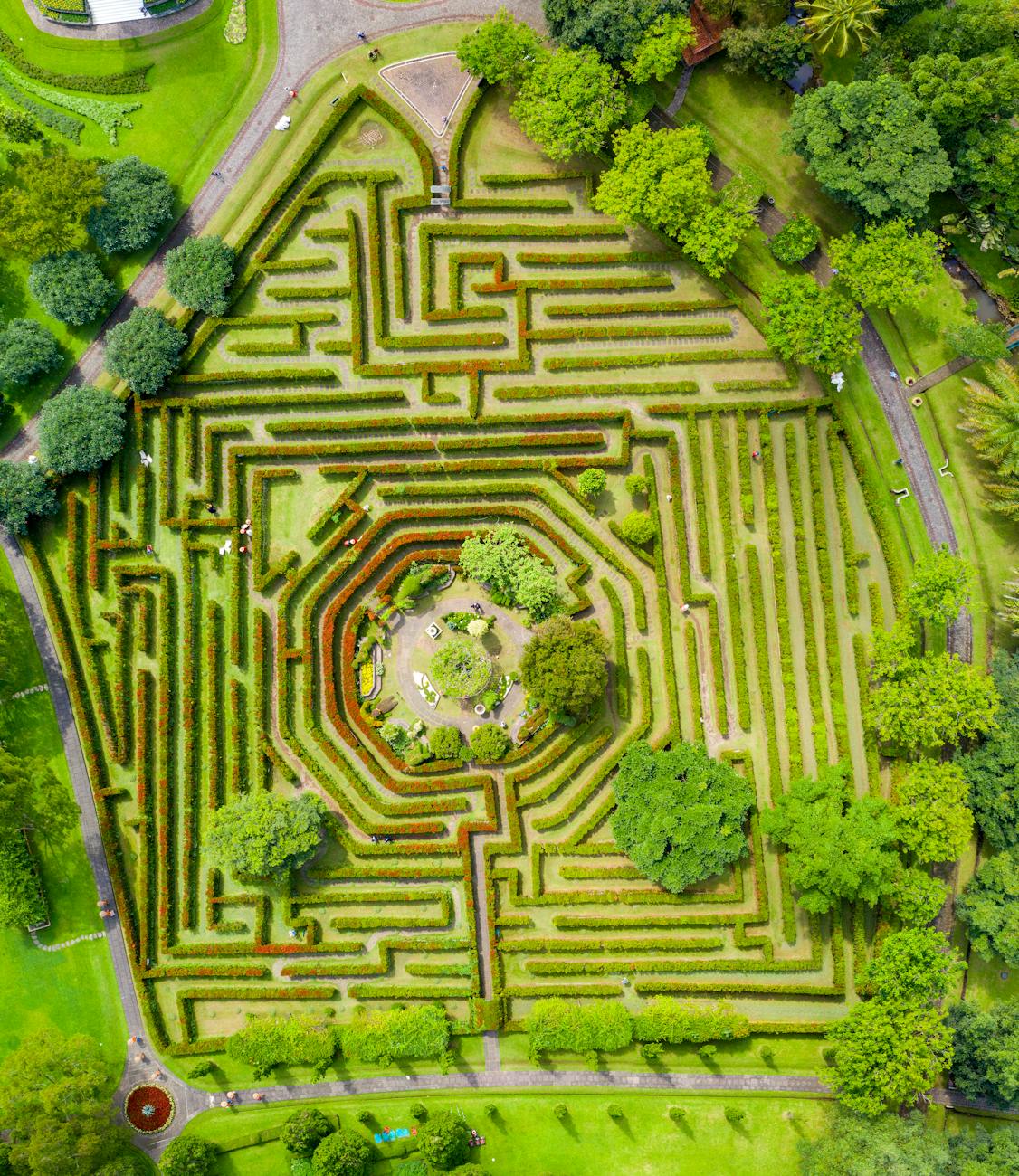
In symbology, the labyrinth with it’s winding walls and corners are an allegory for the subconscious. It could be represented as the walls that limit our world view, the walls are akin to limiting beliefs that we hold deep down in our programmed subconscious that help us to navigate the reality of life. – In another sense, when we navigate the labyrinth properly, we can rejoin the parts of ourselves that are separated by these false walls of beliefs, allowing us to be more congruent and true. To rejoin the parts of our subconscious that are separated is also a form of shadow work.
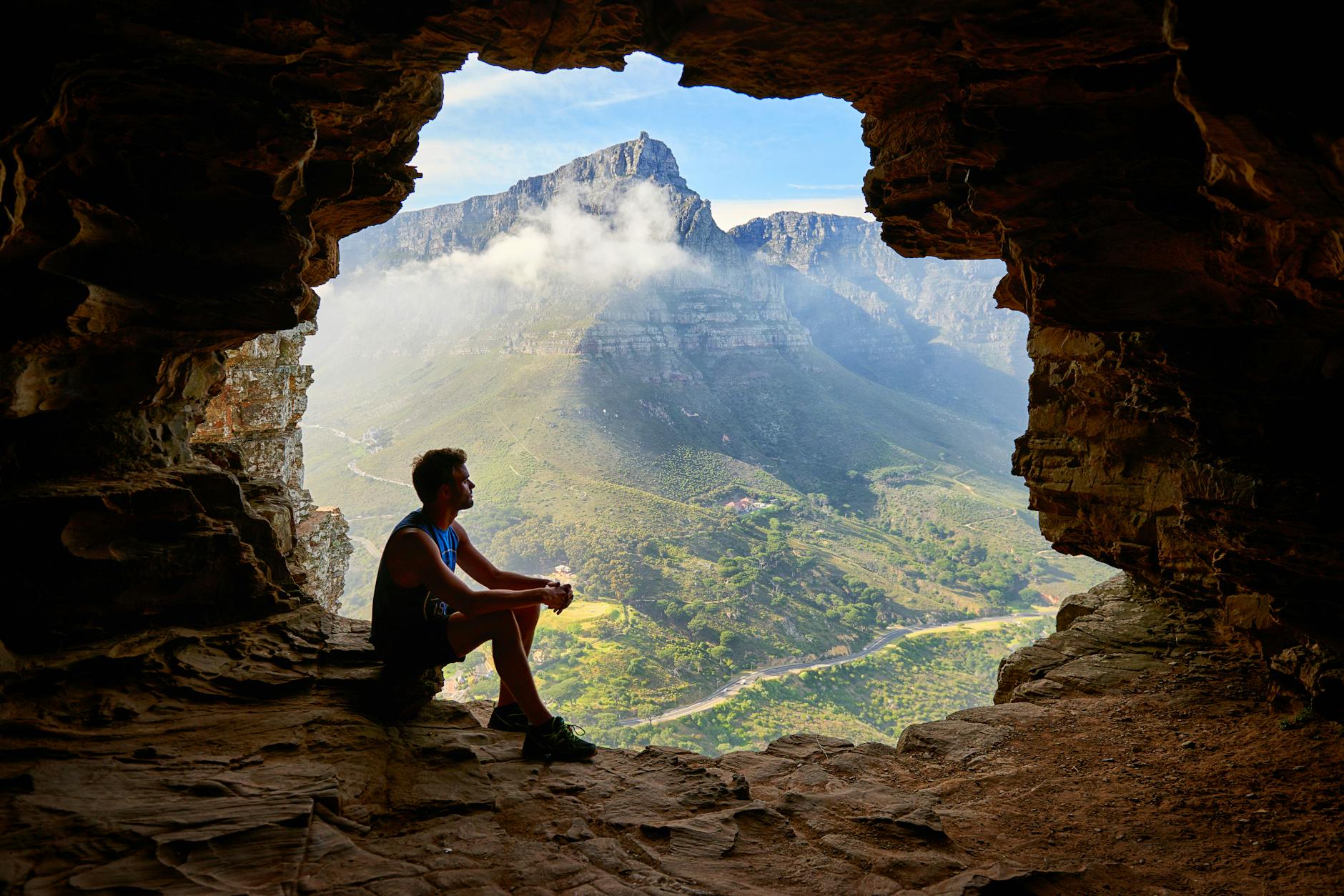
In another symbologic take, the allegory of Plato’s Cave can be akin to the subconscious. The dark parts of our mind is being puppeted and displayed information by other beings or our conscious self and is taught many different things and beliefs. So our subconscious is sort of the cave and the parts of us that we display consciously or as a persona or identity is the part that leaves the cave.
There are many ways to connect the deep iceberg of the subconscious mind to many of the myths and symbols we see.

Epilogue;
Just adding a few words of shadow work and subconscious thoughts.
This article hopefully shows that our stories and symbols that we have, relate to ourselves and our inner worlds. That these words we tell through stories, or symbols (which are words abstract), mean things.
The Stories are sort of “Metaphors that we live by”
Which can mean that they are metaphors that we use as a map. -or that they are metaphors that we humans evolve alongside with culturally.
Yes,
Words Mean Things
 Words Mean Things
Leave a comment